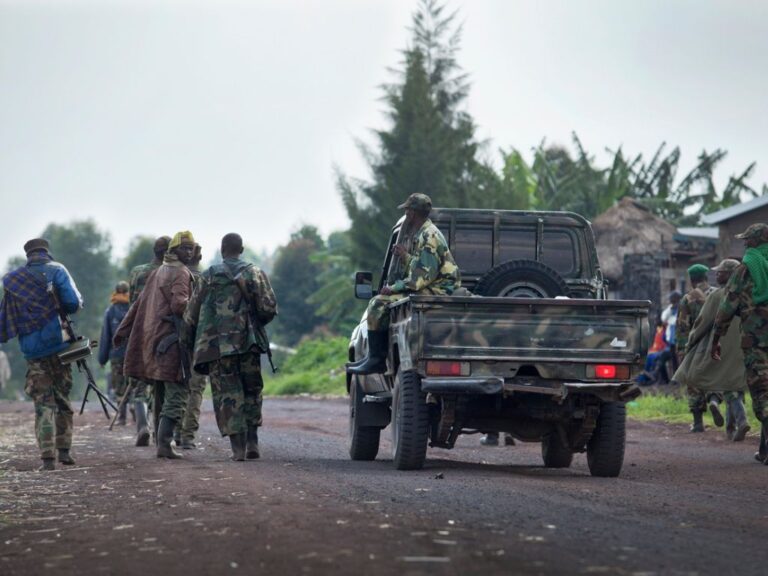
Armed clashes continued throughout January in several parts of South Kivu province, triggering massive displacement and severely restricting humanitarian access, according to the UN Office for the Coordination of Humanitarian Affairs (OCHA).
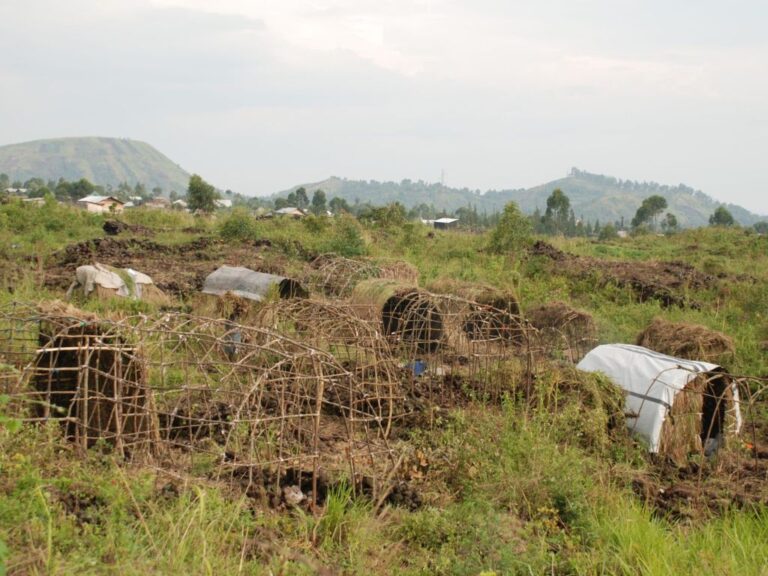
Between January 26 and 29, at least 41,800 people (8,365 households) fled fighting in the villages of Point Zéro, Bilende, Bikyaka, and Kanguli in Fizi territory. The displaced sought refuge in Basilocha and Balala-Nord, where they now face acute shortages of food, healthcare, shelter, and protection.
OCHA warns that limited humanitarian access is preventing aid agencies from delivering adequate assistance.
Displacement Spreads to Mwenga and Walungu
Violence also intensified in Mwenga territory. On January 14, clashes in the Mwana health zone forced approximately 18,400 people (3,069 households) to flee toward Cihambe, Mubone, Mubondwe, Kasholero, Mwegherera, Kifuko, Mukaza, and Cangezi in neighboring Walungu territory.
Earlier assessments had already recorded more than 1,700 displaced persons living with host families. Urgent needs include food, medical care, water, sanitation, education, and protection.
Kalehe: Mass Displacement and Protection Risks
In Kalehe territory, fighting since January 12 in localities including Kitendebwa, Kashiye, Bushengeshenge, Lumbishi, Kusisa, Kitindiro, Katenderi, Kazamuko, Mwami Idjwi, and Katale has paralyzed economic activity and caused further displacement.
The territory already hosts more than 415,600 displaced people, exposing civilians to increased risks such as family separation, looting, gender-based violence, and other abuses.
On January 3, armed men abducted eight civilians in Kasheke village before releasing them hours later. Several cases of sexual violence were also reported.
Humanitarian Crisis Deepens
Since 2025, escalating violence linked to the AFC/M23 rebellion in North and South Kivu has displaced hundreds of thousands, leaving many dead or wounded while insecurity blocks relief routes.
Humanitarian organizations continue negotiations to reach affected communities, providing emergency medical care and food aid. The United Nations stresses the urgent need for safe and unhindered humanitarian access.
Despite diplomatic initiatives — including the Washington mediation process and Qatari-backed talks — conditions on the ground remain dire, with observers urging all parties to honor commitments and halt hostilities after nearly three decades of conflict in eastern DRC.